


Solutions


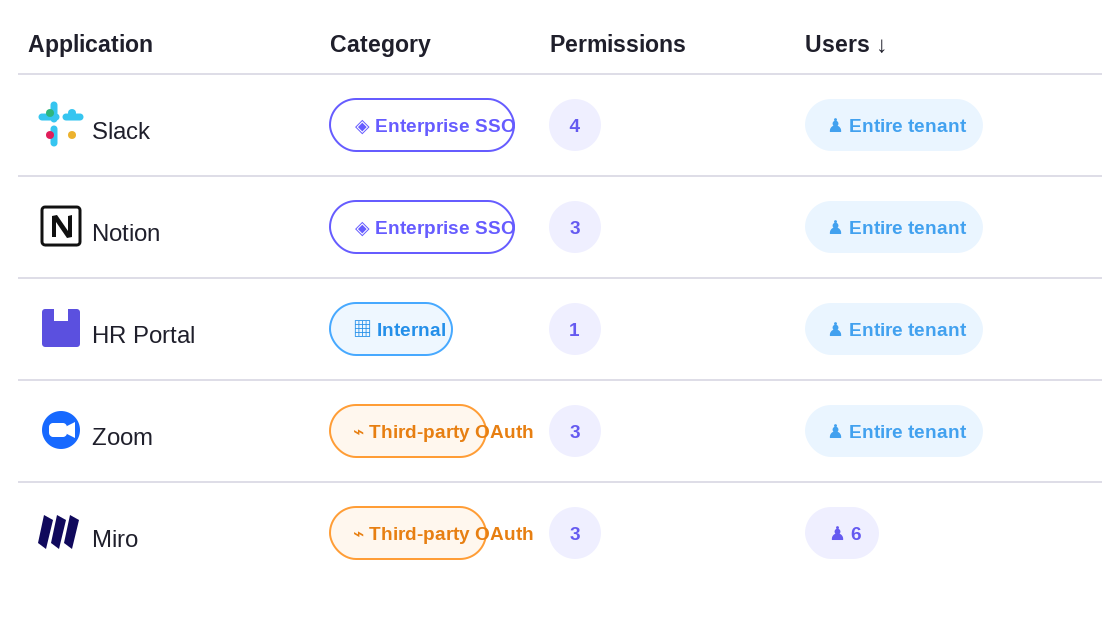
Shadow IT refers to applications and cloud services used by employees without approval from the IT team.
A design tool paid for with a team card, an AI extension connected to email or an automation linked to Drive may process business data without appearing in the official inventory.
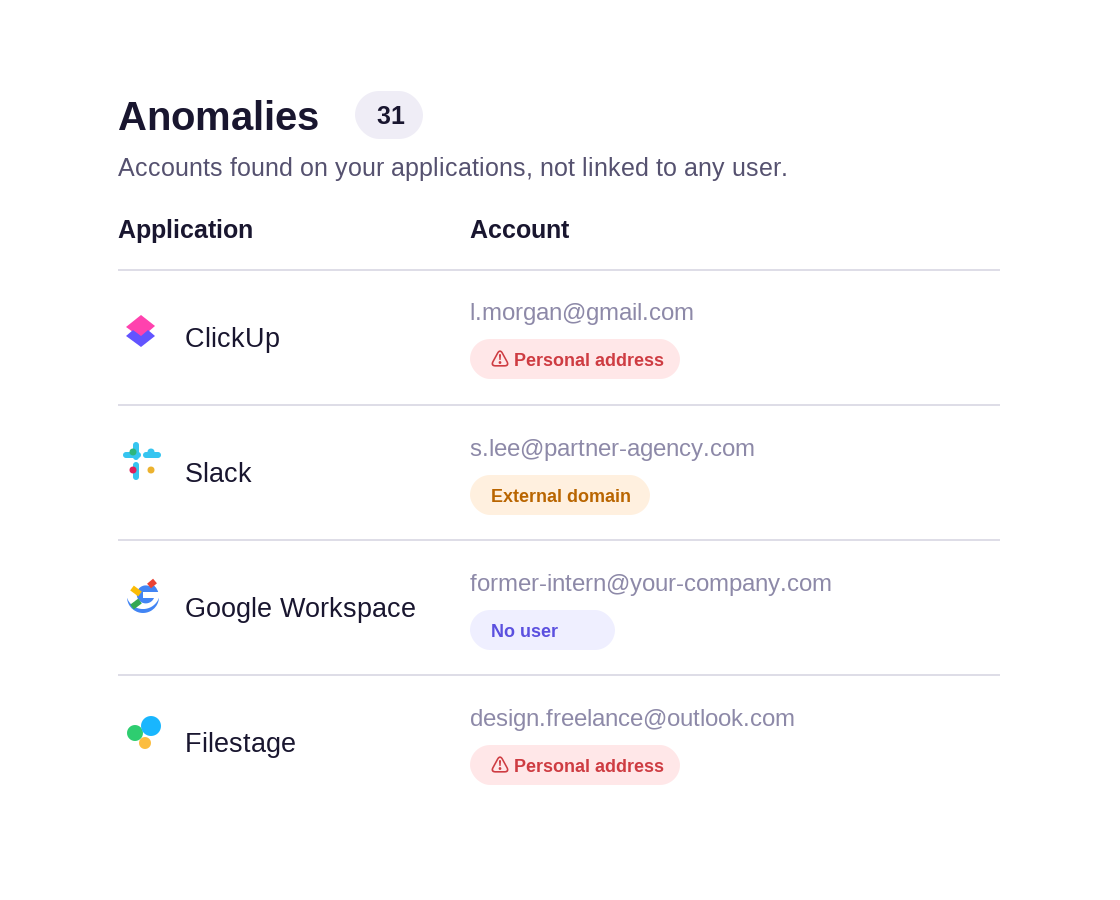
Without visibility, IT cannot secure these applications or remove access promptly when an employee leaves.
Personal data may pass through tools that have never been assessed by the IT team.
Duplicate subscriptions, unused licences and spending outside the IT budget make the SaaS portfolio harder to control.
Instead of banning every tool, understand the need behind each application, then establish appropriate controls.
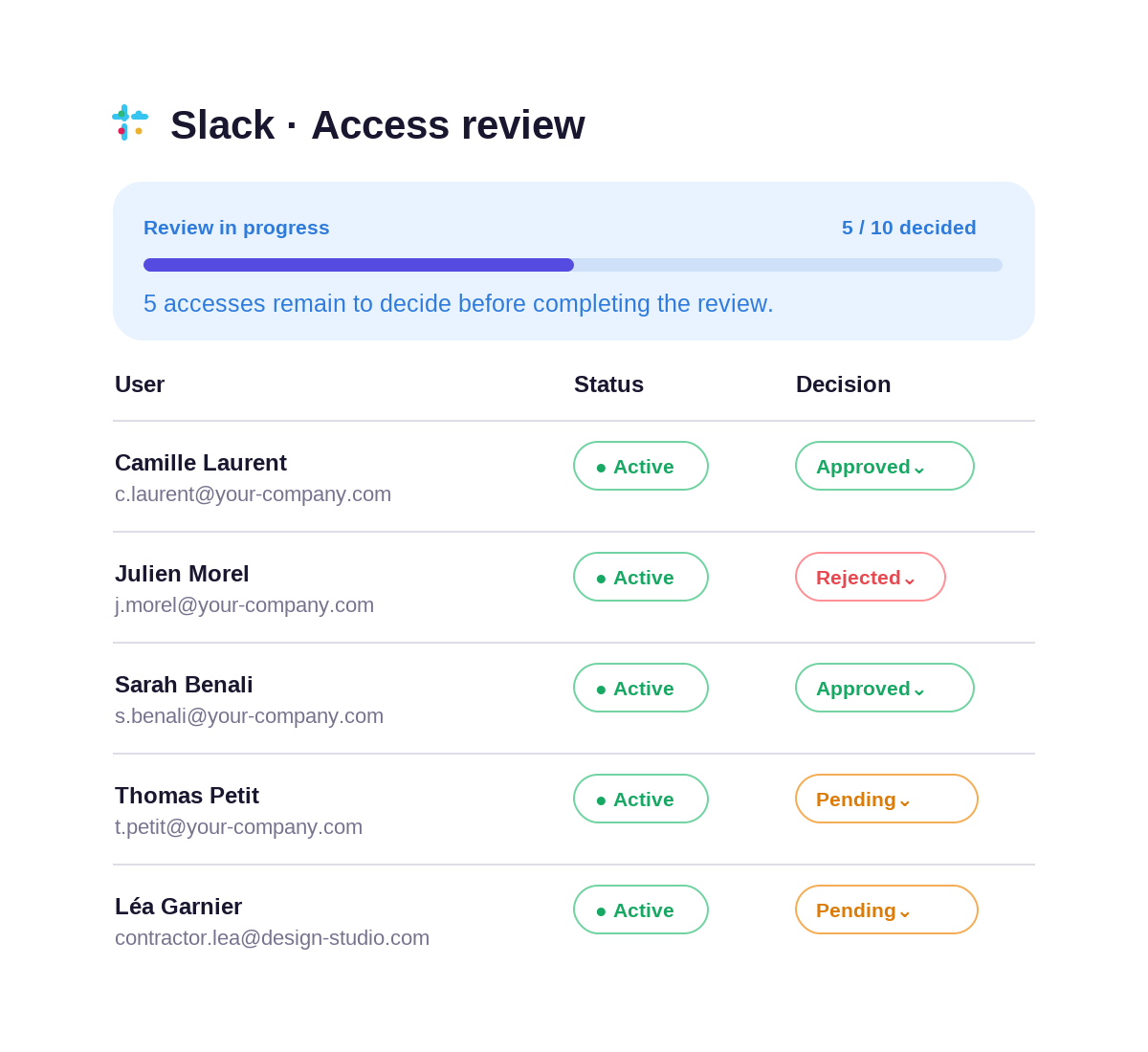
Build an approved application catalogue, centralise SaaS management, organise access governance and monitor accounts. After the scan, MIA helps retain useful tools, secure access, remove duplicates and close accounts that are no longer required.


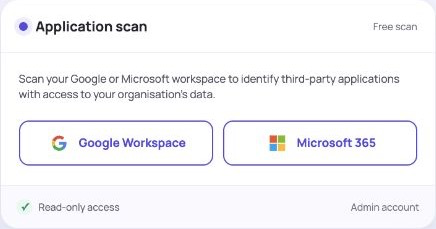
The fastest way is to analyse the third-party applications authorised through business accounts. MIA's free scan works with Google Workspace, Microsoft 365 and Entra ID. You can complement this analysis with expense reports and conversations with your teams.
Yes. The scan is free and does not require a bank card. To manage the applications detected afterwards, MIA offers a Freemium plan and a Pro plan.
Yes. The scan connects to Microsoft 365 and Entra ID through Microsoft Graph, or to Google Workspace. An administrator grants read-only access.
The data is hosted in France by OVHcloud in Strasbourg, like the rest of the MIA platform.
BYOD refers to the use of personal devices at work. Shadow IT covers software and services used without IT approval, primarily SaaS applications today.
No, but it can expose the organisation to GDPR breaches and make NIS2 compliance more difficult. The goal is to govern these uses rather than ban them without analysis.


